

Addressing Technical Deficiencies: The SKEB Assessment Method
/
/
Addressing Technical Deficiencies: The SKEB Assessment Method
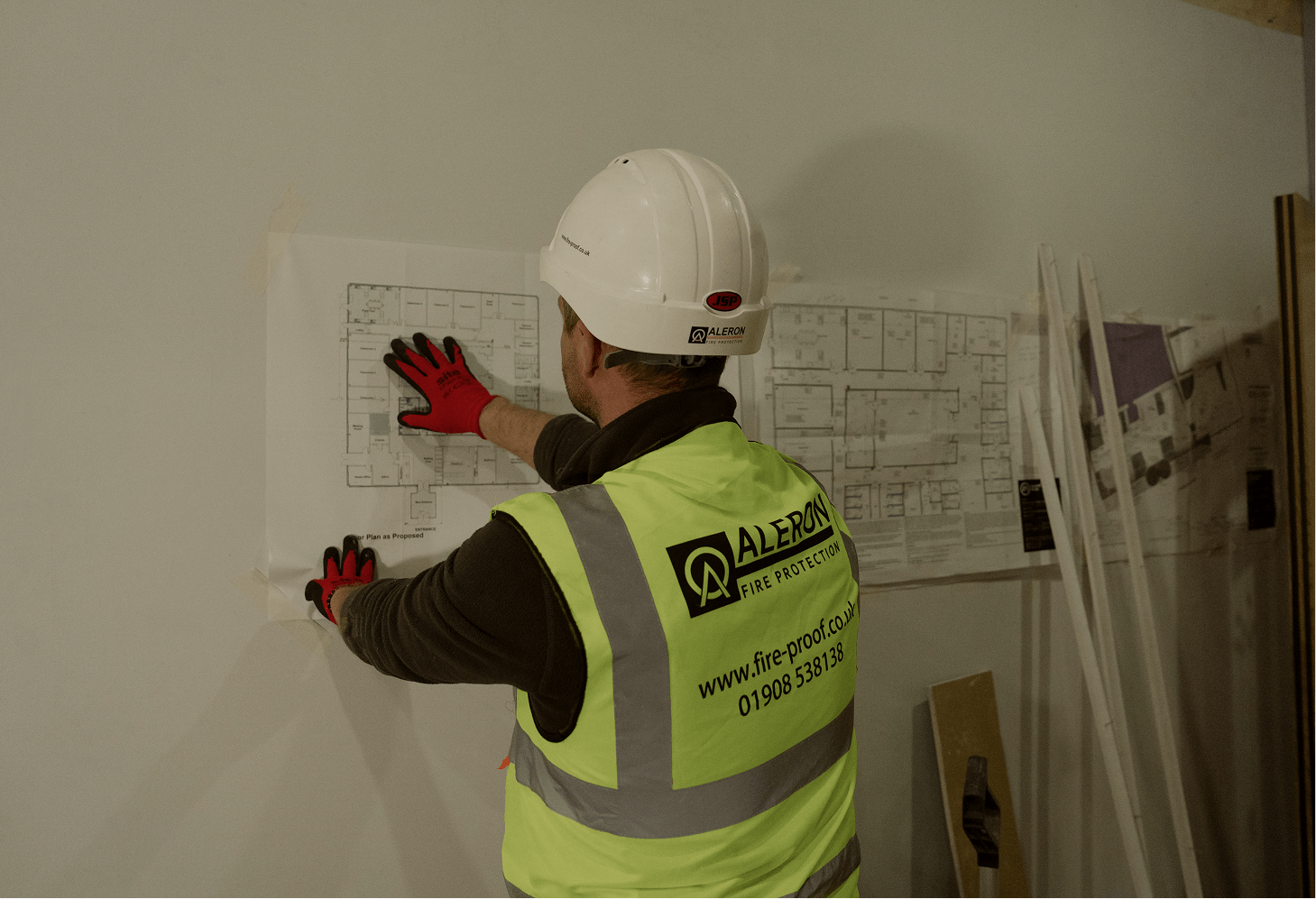
Remediating widespread door system failures requires an organized approach led by inspectors who hold verified Skills, Knowledge, Experience, and Behaviour (SKEB). A certified professional evaluates each door set against its original fire test evidence, separating minor surface wear from structural failures.A technical inspection focuses on four critical physical elements:
1. The 4mm Perimeter Gap Clearance Threshold
Excessive spacing between the door leaf and the frame rebate remains a very common reason for inspection failures. Gaps along the top and vertical sides must stay between 2mm and 4mm. If a clearance exceeds 4mm, hot gases and flame tongues can bypass the intumescent seal during a fire, breaching the compartment line before the seals can expand. Inspectors use certified gap gauges to measure these tolerances at multiple points along the opening.2. Intumescent Strip and Smoke Seal Continuity
Intumescent elements must be installed securely around the frame or door edge. These seals must be free from tears, severe compression, missing sections, or heavy layers of paint that could restrict chemical expansion during a fire. If the door serves a designated escape route, the combined acoustic or smoke seals must fit tightly against the frame to stop cool toxic gases from passing through before the intumescent strip activates.3. Hardware Compatibility and Latching Action
Every component installed on a fire door—including hinges, latches, locks, panic bars, and overhead closers—must be certified to match the door assembly's overall fire rating. Installing standard non-fire-rated hinges or replacing hardware with non-compatible components voids the assembly's certification. Controlled door-closing devices must have enough mechanical force to close the door fully from any angle, overcoming resistance from latch bolts or seals.4. Certification Marks and Historical Traceability
Inspectors locate and check the third-party certification labels, such as BM TRADA or IFC plugs, found on the top edge of the door leaf. These markings verify the door's fire rating (e.g., FD30 or FD60) and link the asset back to its original manufacturing records.
Remediating widespread door system failures requires an organized approach led by inspectors who hold verified Skills, Knowledge, Experience, and Behaviour (SKEB). A certified professional evaluates each door set against its original fire test evidence, separating minor surface wear from structural failures.
A technical inspection focuses on four critical physical elements:
1. The 4mm Perimeter Gap Clearance Threshold
Excessive spacing between the door leaf and the frame rebate remains a very common reason for inspection failures. Gaps along the top and vertical sides must stay between 2mm and 4mm. If a clearance exceeds 4mm, hot gases and flame tongues can bypass the intumescent seal during a fire, breaching the compartment line before the seals can expand. Inspectors use certified gap gauges to measure these tolerances at multiple points along the opening.
2. Intumescent Strip and Smoke Seal Continuity
Intumescent elements must be installed securely around the frame or door edge. These seals must be free from tears, severe compression, missing sections, or heavy layers of paint that could restrict chemical expansion during a fire. If the door serves a designated escape route, the combined acoustic or smoke seals must fit tightly against the frame to stop cool toxic gases from passing through before the intumescent strip activates.
3. Hardware Compatibility and Latching Action
Every component installed on a fire door—including hinges, latches, locks, panic bars, and overhead closers—must be certified to match the door assembly's overall fire rating. Installing standard non-fire-rated hinges or replacing hardware with non-compatible components voids the assembly's certification. Controlled door-closing devices must have enough mechanical force to close the door fully from any angle, overcoming resistance from latch bolts or seals.
4. Certification Marks and Historical Traceability
Inspectors locate and check the third-party certification labels, such as BM TRADA or IFC plugs, found on the top edge of the door leaf. These markings verify the door's fire rating (e.g., FD30 or FD60) and link the asset back to its original manufacturing records.
Remediating widespread door system failures requires an organized approach led by inspectors who hold verified Skills, Knowledge, Experience, and Behaviour (SKEB).
10.07.2026
